Access to Direct Market Access (DMA) can empower you as a broker or trader, enabling you to execute trades directly on financial markets without intermediaries. This guide will explore the benefits of using DMA, including enhanced speed and control, while also addressing potential risks such as market volatility and execution issues. By understanding the fundamentals of DMA, you can make informed decisions that optimize your trading strategies and improve your overall performance in the market.
What is Direct Market Access?
Definition and Key Concepts
On a fundamental level, Direct Market Access (DMA) allows you as a trader to interact directly with the financial market without the intermediation of a broker. This process provides you with an opportunity to execute orders in real time and often with lower latency compared to traditional trading methods. DMA is primarily made possible through electronic trading platforms, which give you the tools to both place and manage your trades efficiently. Understanding these platforms and the direct connectivity they offer is crucial for maximizing your trading performance.
In a DMA environment, you gain access to the order book of the market, which allows you to see the current buy and sell orders without relying on a broker to relay this information. This transparency gives you the ability to make more informed decisions and respond to market movements quickly. Recognizing how these elements interconnect is vital for leveraging the full potential of DMA in your trading strategies.
Historical Overview
Around the late 1990s and early 2000s, the financial landscape began to experience a significant transformation with the advent of electronic trading systems. This shift paved the way for Direct Market Access, which emerged as a revolutionary method that enabled traders to execute their trades directly in the market without traditional brokerage oversight. As technology advanced, you witnessed increased competition among trading firms, leading to improved pricing and faster execution speeds. The adoption of DMA transformed the way that both institutional and individual traders approached the market.
Hence, the rise of DMA coincided with the expansion of algorithmic trading and high-frequency trading, which rely heavily on quick decision-making and execution. As these methods became more popular, you saw an increased demand for trading platforms that could support these strategies. This attitude towards embracing technology and innovation has resulted in a more dynamic trading environment and has set the stage for the modern approach to market interactions that we see today. Ultimately, understanding the historical context of DMA helps you appreciate its significance in today’s trading landscape.
Benefits of Direct Market Access
While many traders and brokers are aware of the general advantages of Direct Market Access (DMA), understanding the specific benefits can enhance your trading strategy significantly. One of the primary benefits of DMA is that it allows you to execute trades directly on the exchange, reducing latency and providing immediate access to market information. This direct connection facilitates a more streamlined trading process, enabling you to respond to market changes in real-time, thus maximizing your trading opportunities and minimizing potential losses. Knowing how to leverage this feature can put you ahead of your competitors in this fast-paced environment.
Speed and Efficiency
On the trading floor, speed can be the difference between profit and loss. When you utilize DMA, you gain the ability to place orders with minimal latency, which means your trades can be executed much faster compared to traditional methods. This speed is vital in capitalizing on short-term market movements and can improve your overall trading performance. The efficiency of DMA not only enhances the speed of order execution but also allows you to customize your trading approach, effectively aligning it with market conditions and your unique trading style.
Cost Reduction
At the same time, cost reduction is another significant advantage of Direct Market Access. By eliminating intermediaries, you minimize trading fees and commission costs, ensuring that more of your profits stay in your pocket. This reduced cost structure is particularly beneficial for high-frequency traders who demand swift execution and have multiple trade placements daily. Leveraging DMA effectively can lead to substantial savings that enhance your trading profitability.
Due to the elimination of trading commissions typically associated with brokers and the reduced fees charged for accessing the market directly, DMA creates a more cost-efficient trading environment. Many traders have reported that utilizing DMA allows them to retain a greater percentage of their returns, particularly when executing numerous trades. Understanding and implementing these cost-saving measures can enable you to optimize your trading strategy and improve your bottom line over time.
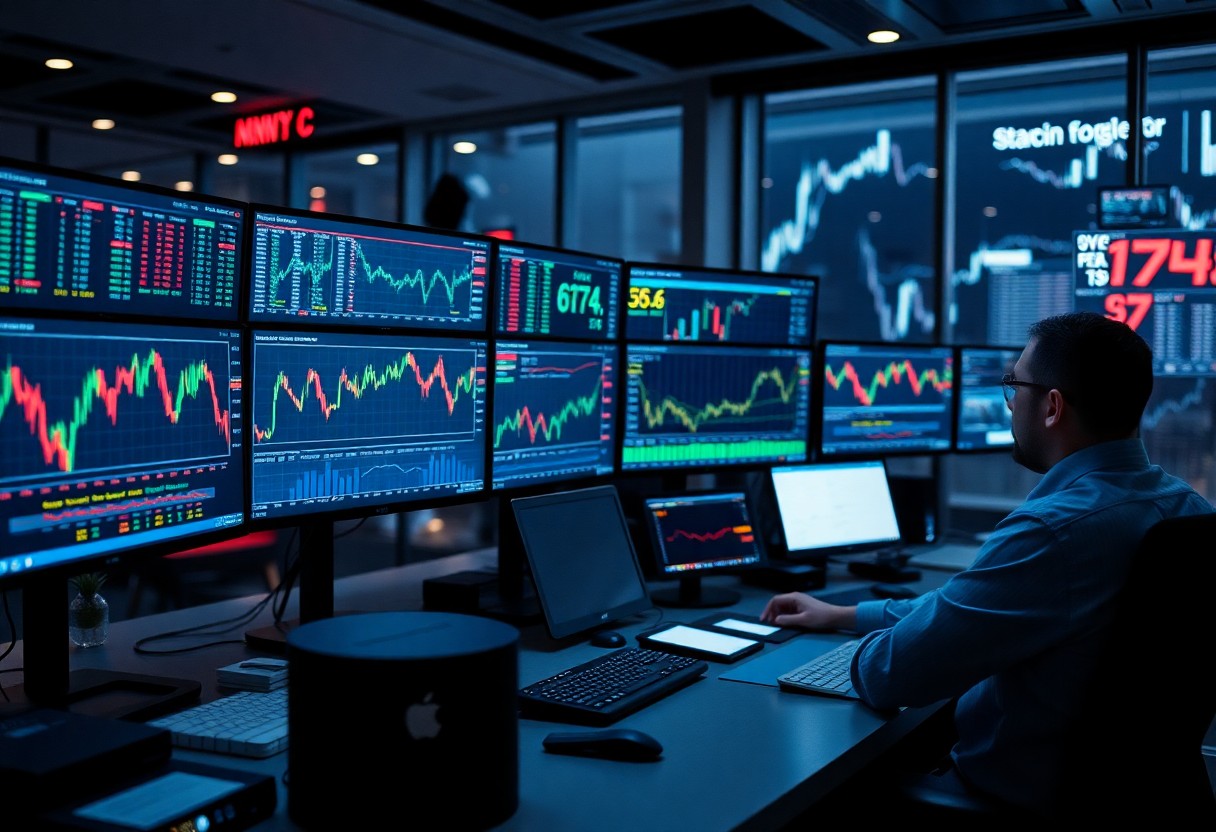
The Role of Brokers in Direct Market Access
Now, it’s necessary to recognize that brokers play a pivotal role in facilitating direct market access (DMA) for traders. They act as intermediaries, ensuring that you can connect to the market efficiently and effectively. With DMA, you gain the ability to execute trades directly on the exchange without the need for a traditional broker to manage the transactions. This level of access often results in lower costs and faster execution, enhancing your trading experience. However, choosing a reputable broker is necessary to fully leverage these benefits.
Choosing the Right Broker
Across the financial landscape, selecting the right broker is key to your success in direct market access. You should evaluate various factors, including the broker’s regulatory status, trading platform, commission structure, and the level of customer support they provide. A reliable broker should also offer robust risk management tools and market data feeds to assist you in making informed trading decisions. By researching and comparing different options, you’ll be better positioned to find a broker that aligns with your trading strategy and goals.
Broker Responsibilities
Right from the outset, it is important to understand that brokers have several responsibilities that impact your trading experience. They should provide you with transparent pricing structures, reliable execution capabilities, and effective order routing to facilitate your trading activities. It is also their responsibility to ensure that you are educated about the risks associated with DMA and to provide the necessary tools to manage these risks effectively. A high-quality broker will prioritize your needs and ensure that you have the resources required to navigate the complexities of the market confidently.
A good broker should also focus on enhancing your trading experience through continuous support, including technical assistance and resources for market analysis. They are also responsible for maintaining client privacy and safeguarding your funds, ensuring that all regulatory compliance measures are met. The right broker will empower you to trade with confidence, armed with the tools and information necessary to take full advantage of direct market access.
Technology and Infrastructure
After establishing a solid foundation of familiarity with Direct Market Access (DMA), it’s vital to investigate into the underlying technology and infrastructure that support efficient trading. Your trading experience, especially as a broker or trader, is entirely intertwined with the technology you employ. A robust technical setup not only provides faster execution times but also enhances the overall reliability of your trading strategies. To fully benefit from DMA, you need to leverage advanced technologies, which include a reliable network, resilient servers, and systems that can handle high-frequency trading.
Trading Platforms and Tools
With the rapid evolution of technology, selecting the right trading platforms and tools is fundamental for both brokers and traders. These platforms serve as your gateway to the market, allowing you to execute trades, manage portfolios, and access critical analytical data. You should prioritize features that support real-time decision-making and provide customizable interfaces, as this will help streamline your trading process and enhance your productivity. The tools you choose can also impact your ability to deploy automated trading strategies, making it vital to align your platform’s capabilities with your trading objectives.
Data Feeds and Connectivity
Across various trading environments, access to data feeds and connectivity is a key factor that influences the quality of your trading outcomes. Real-time data feeds allow you to make informed decisions based on the most current market conditions, helping you optimize your trading strategies. Additionally, robust connectivity ensures you can maintain uninterrupted access to trading platforms and markets, minimizing the risk of slippage or missed opportunities during high-volume trading periods. For brokers and traders, establishing a strong connection with exchanges is equally vital, as any latency can significantly impact your execution speeds.
Understanding the importance of data feeds and connectivity is critical in optimizing your trading performance. Quality data feeds not only deliver up-to-date price information, but they also provide insights on market trends and trading volumes, which are invaluable for effective decision-making. Moreover, reliable connectivity to exchanges ensures you’re equipped to react swiftly to market changes, thus capitalizing on profitable trading opportunities while minimizing exposure to volatility. Hence, investing in high-quality feeds and robust infrastructure should be a priority as you navigate the complexities of direct market access.
Regulatory Considerations
Once again, as you navigate the landscape of Direct Market Access (DMA), it is important to consider the regulatory environment that governs your activities as a broker or trader. Understanding the various regulations that apply to DMA can help you enhance your operational integrity and mitigate potential compliance risks. Regulatory bodies often impose strict requirements, which are designed to protect market integrity and ensure a level playing field for all participants. Being aware of these regulations is not just about compliance; it is also about ensuring that your trading practices align with industry standards and maintaining the trust of your clients.
Compliance and Reporting
After you secure direct access to the market, you will encounter a series of compliance requirements aimed at fostering transparency and accountability. This includes reporting your trading activities as per the regulatory mandate, which typically involves detailed documentation of trades, positions, and potential risks. Failure to comply can result in severe penalties, which could adversely affect your firm’s reputation and financial standing. Thus, investing in robust compliance and reporting systems is vital; a proactive approach helps you stay ahead of regulatory scrutiny.
Impact of Regulations on Trading
Regulatory frameworks can significantly influence your trading strategies and operational procedures. Regulatory requirements often shape transaction costs, risk management practices, and even the types of instruments you may engage with. This means that understanding these regulations not only impacts your current trading decisions but also requires continual adaptation to any changes that may arise. It is important to integrate compliance considerations into your trading strategy to avoid conflicts that could derail your performance.
Another important aspect to consider is how regulations can enhance market stability and safeguard investor interests. Regulatory measures, such as circuit breakers and limits on leverage, are designed to mitigate excessive volatility and protect against systemic risks. While such rules may impose certain limitations on your trading activities, they also serve to create a more transparent and fair trading environment. By embracing these regulatory challenges, you position yourself to participate in a more robust market structure, ultimately benefiting both you and your clients.
Challenges and Risks
To navigate the landscape of direct market access (DMA), you need to be aware of the inherent challenges and risks that come with it. These can significantly influence your trading decisions and strategies. As you leverage DMA, factors such as market volatility and technological failures can present serious obstacles, requiring a thorough understanding and preparedness to mitigate potential downsides.
Market Volatility
Market conditions can change rapidly, and high volatility can lead to dramatic fluctuations in prices, which may impact your ability to execute trades effectively. When using DMA, you may find yourself exposed to quick-moving markets that can affect both liquidity and your trading strategy. It’s imperative to have risk management protocols in place—such as stop-loss orders—to minimize your exposure during turbulent periods.
Technological Failures
The reliability of your trading infrastructure is paramount, as technological failures can lead to significant losses. Systems outages, latency issues, or even cybersecurity breaches can disrupt your trading execution and may inhibit your ability to react to market changes promptly. The dependence on technology means that any hiccup can become a serious liability, potentially causing delays or failures in executing your trading strategies.
Also, staying informed about the performance of your trading platform and associated technology is vital. Regularly assessing the security measures, connectivity options, and system updates can help mitigate possible threats. By investing in robust technology and being vigilant about potential failures, you can enhance your operational resilience and further protect your interests when utilizing direct market access.
Final Words
Upon reflecting on your journey to understand Direct Market Access (DMA), you have uncovered the necessary components that can significantly enhance your trading strategy. This guide has equipped you with the knowledge of how DMA functions, its advantages, and the factors to consider when selecting a service provider. By utilizing DMA, you can gain more autonomy over your trades, enabling you to react swiftly to market changes and optimize execution mechanisms. As you leverage this newfound understanding, it will empower you to navigate the complexities of the trading landscape with greater confidence.
Additionally, your familiarity with the tools and platforms available for DMA will pave the way for more informed decisions in your trading practices. By engaging with the necessary technology and infrastructure, you can better position yourself to take advantage of diverse trading opportunities. Ultimately, your commitment to learning and adapting will create a foundation for sustained success in your trading endeavors. Embrace this knowledge, and let it guide you toward achieving your financial goals in the dynamic world of trading.

