With the rapid advancement of technology, you are witnessing a significant transformation in the financial markets as algorithmic trading reshapes how brokers and exchanges operate. Your trading strategies and decisions are increasingly influenced by sophisticated algorithms that enhance efficiency and speed. While this may offer new opportunities for profit, it also presents potential challenges, including market volatility and risks associated with automated systems. In this blog post, you will explore how these trends are evolving and what it means for your trading experience.
The Rise of Algorithmic Trading
Definition and History
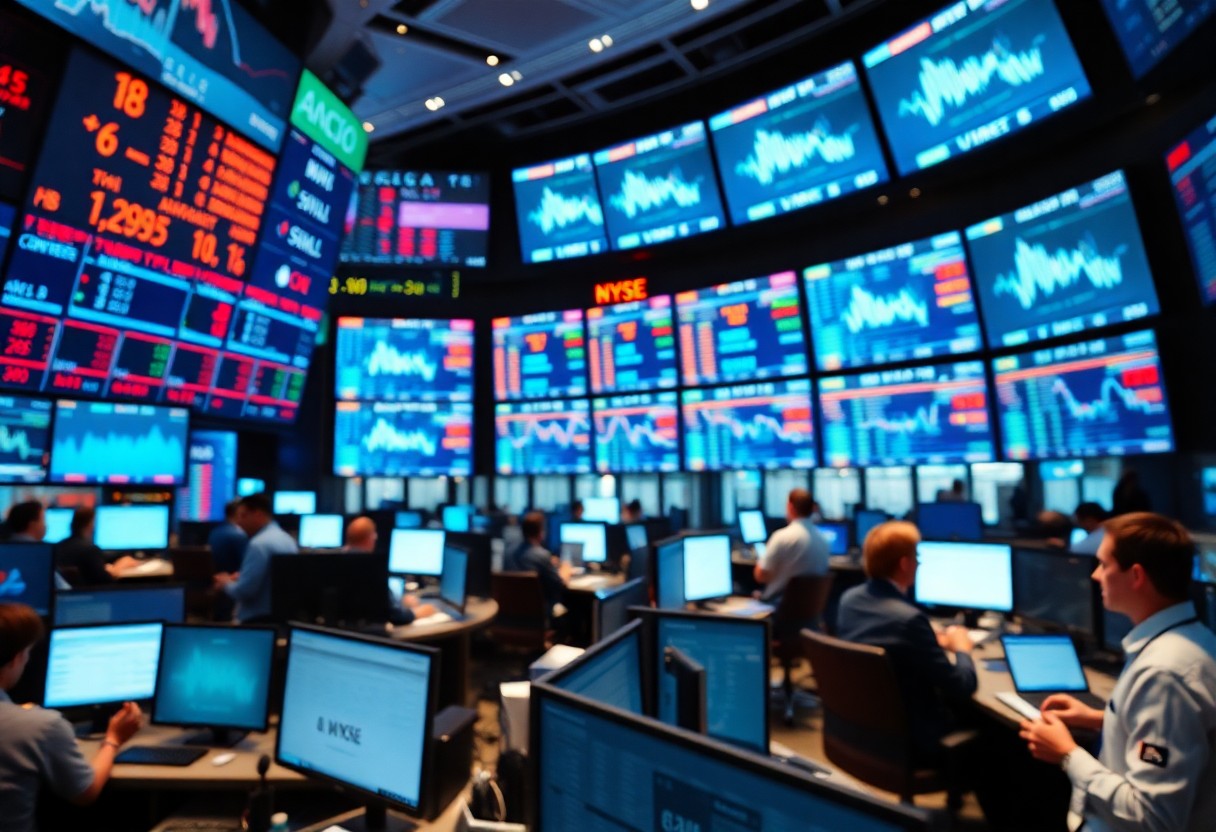
Rise of algorithmic trading marks a significant transformation in the financial markets, where the focus has shifted from human traders making decisions to automated systems employing complex algorithms to execute trades. Algorithmic trading can be defined as the use of computer algorithms to manage and execute trades based on predefined criteria, such as price movements, volume, or time, significantly reducing reaction time and improving efficiency. The history of this method began in the 1970s with the introduction of electronic trading platforms. By the late 20th century, the advent of high-frequency trading (HFT) further propelled the adoption of algorithmic techniques, enabling firms to conduct large volumes of trades in fractions of a second.
Key Algorithms in Modern Trading
Algorithmic strategies can vary widely, but certain key algorithms have emerged as pivotal players in modern trading. These include, but are not limited to, mean reversion algorithms, trend-following algorithms, and arbitrage algorithms. Each algorithm operates under different principles, addressing factors such as market inefficiencies or price patterns to exploit potential profit opportunities effectively. For instance, mean reversion algorithms capitalize on the tendency of asset prices to revert to their historical averages, while trend-following algorithms seek to identify and capitalize on sustained market trends.
Trading algorithms represent a blend of mathematical precision and strategic foresight, allowing you, as a trader, to make informed decisions with minimal manual intervention. With their capacity for rapid execution and data analysis, these algorithms not only enhance trading performance but also introduce both opportunities and risks. As a trader, understanding these algorithms can empower you to leverage their strengths while staying cognizant of the challenges they may present, such as market volatility or the unintended consequences of sudden algorithmic trades.
The Role of Brokers in a Changing Landscape
Clearly, the evolution of trading has significantly impacted the role of brokers, as they must now navigate a highly competitive, technology-driven environment. As algorithmic trading gains traction, brokers find themselves needing to rethink their value propositions to provide clients with effective services. Traditionally, brokers offered straightforward transaction execution, but in a landscape dominated by rapid algorithmic strategies, they are now tasked with delivering advanced analytical tools, faster execution speeds, and deep market insights that can help you stay ahead in your trading endeavors.
Adapting Business Models
Any forward-thinking broker must adapt their business model to meet the demands of algorithmic trading. This includes transitioning from a commission-based structure to offering tailored subscription services that cater to algorithmic traders’ unique needs. By embracing this shift, brokers can provide you with access to premium data feeds, specialized trading platforms, and algorithm creation tools that enhance your trading experience, while also optimizing their revenue streams.
Technology Investment and Development
Behind the scenes, brokers are also channeling substantial investments into technology development to support algorithmic trading strategies. Recognizing the need for robust infrastructure, brokers are fortifying their trading platforms with scalable solutions and integrating high-frequency trading capabilities. This evolution enables you to execute trades with unrivaled speed and precision, significantly affecting your overall trading efficiency.
This commitment to technology is important for maintaining competitiveness and improving service offerings. By investing in state-of-the-art infrastructure and analytical tools, brokers can offer you a much-enhanced trading experience, complete with a suite of customizable algorithmic strategies. As you engage with these platforms, you’ll likely benefit from increased execution speed, greater market access, and enhanced trade execution management, all while navigating a landscape that continuously evolves in response to technological advancements.
How Exchanges are Evolving
Some exchanges are undergoing significant transformations to keep pace with the demands of algorithmic trading. You may have noticed that traditional marketplaces are implementing advanced trading platforms that facilitate faster execution and improved liquidity. These adaptations include introducing state-of-the-art matching engines, which considerably enhance order execution speed and accuracy. Additionally, many exchanges are investing in cloud technology and big data analytics to support high-frequency trading strategies, allowing you to access and analyze market data in real-time.
Technological Upgrades and Innovations
Around the globe, exchanges are embracing technological upgrades to meet the needs of today’s sophisticated traders. You might see them integrating artificial intelligence and machine learning algorithms to optimize trading processes. These innovations not only streamline operations but also enhance the accuracy of predictive modeling, enabling you to make more informed decisions. Furthermore, the introduction of blockchain technology within exchanges promises greater transparency and security, making you feel more confident in your trading activities.
Regulatory Changes and Compliance
An imperative facet of the evolving landscape involves regulatory changes that impact how exchanges operate. As a trader, you may experience stricter compliance measures aimed at safeguarding market integrity and protecting your interests. Many exchanges are now mandated to adhere to enhanced reporting and monitoring requirements, which aim to combat market manipulation and fraud. This shift means you can trade with more confidence, knowing that systems are in place to uphold ethical standards and maintain a fair trading environment.
Considering the *rapidly evolving regulatory landscape*, exchanges must stay proactive in adapting to *new compliance standards* to ensure they are aligned with best practices. The emphasis on transparency and accountability can help protect your investments, though it may lead to increased operational costs for exchanges. While this may reduce the number of players in the market, the positive outcome is a more robust and trustworthy trading environment that prioritizes the well-being of participants like yourself. By understanding these dynamics, you can position yourself to navigate the complexities of trading through a more informed lens.
Impact of High-Frequency Trading
Market Dynamics and Liquidity
All market participants need to understand how high-frequency trading (HFT) affects liquidity and market dynamics. HFT firms leverage advanced algorithms to execute trades at lightning speeds, often making thousands of trades in the span of a single second. This activity can boost overall market liquidity, providing you with opportunities for better execution prices. However, it’s necessary to recognize that while liquidity may spike due to HFT, it can also disappear just as quickly, leading to potential volatility. You may find that during market stress, the same rapid-fire trading might contribute to sudden price movements, impacting your trading strategies and risk management.
Any discussion of market dynamics should consider that HFT can flatten the market structure. This can lead to a situation where the traditional relationship between supply and demand becomes distorted, affecting the price discovery process. While you may enjoy the benefits of lower spreads and greater trading volume, the short-term nature of HFT trades can create an environment where long-term investments may suffer. Understanding these aspects can help you navigate your trading decisions more effectively and align your strategies with the realities of the modern trading landscape.
Ethical Considerations
About the ethical implications of high-frequency trading, you may find it important to probe into the concerns that arise from its practice. HFT can create an uneven playing field, as firms with access to advanced technologies and data feeds can exploit opportunities that are out of reach for retail traders. This raises questions about fairness in the markets—such as whether your rights to equal access to information and trading opportunities are being compromised. While HFT can enhance liquidity, it can also create a landscape where small investors feel disadvantaged and manipulated by the technology out of their reach.
Impact on the trading environment is profound, as ethical questions swirl around aspects like market manipulation and information asymmetry. High-frequency traders often utilize strategies that may lead to those slower or less technologically savvy traders losing out significantly. You should be aware of practices like quote stuffing or spoofing, which can distort real market activity, leading to a lack of transparency. As a trader, understanding these ethical implications will empower you to make more informed choices and advocate for a more equitable trading environment.
The Future of Trading
Once again, the landscape of trading is set to undergo profound transformation as technological advancements continue to reshape the way you engage with financial markets. As algorithmic trading systems become increasingly sophisticated, brokers and exchanges are adapting their infrastructures to facilitate faster, more efficient transactions. You can expect a greater emphasis on real-time data analysis and machine learning algorithms, which will provide deeper insights into market trends and consumer behavior, ultimately enhancing your trading strategies. The integration of artificial intelligence (AI) will enable traders like you to make more informed decisions and even automate processes that were once manual.
Trends Shaping the Next Decade
For the next decade, several trends are poised to significantly influence the trading environment. One prominent trend is the rise of decentralized finance (DeFi), which is transforming traditional brokerage roles and exchange functions by eliminating intermediaries. As you explore these new financial landscapes, you may find opportunities in platforms that leverage blockchain technology for transparency and security. Furthermore, the increasing adoption of social trading platforms allows you to share insights and strategies with others, fostering a community-driven approach to trading that can offer a competitive edge.
Potential Disruptors
Shaping the future of trading are various potential disruptors that could alter your approach to investing. As regulations evolve and technology advances, you may encounter new players in the market, including companies utilizing quantitative trading techniques and robo-advisors. These developments may challenge traditional brokerage models, forcing you to adapt to novel service offerings and pricing structures. Moreover, as cybersecurity threats escalate, the importance of secure trading environments will grow, necessitating vigilance on your part to protect your assets and data.
Trends indicating potential disruptors also emphasize the rise of cross-border trading, which allows you to access global markets with greater ease. This trend could democratize trading, making opportunities available to a wider audience. Keep an eye on emerging technologies such as quantum computing that promise to revolutionize trading algorithms, further enhancing your ability to analyze vast datasets in real-time. As these disruptors emerge, you’ll need to remain flexible and open to adapting your trading strategies to harness the benefits and mitigate the risks they present.
Case Studies: Successful Adaptations
Unlike many industries that struggle to incorporate new technologies, the trading sector has made significant strides through *case studies* illustrating robust adaptability to *algorithmic trends*. Here are some key examples that showcase how brokers and exchanges have embraced change:
- Interactive Brokers: Improved their trading platform, resulting in a 30% increase in daily trades executed by algorithms over the past year.
- Charles Schwab: Introduced an advanced robo-advisory service that led to an increase of 20% in client acquisition through automated solutions.
- London Stock Exchange: Launched a new trading infrastructure, facilitating a 50% increase in algorithmic trading volumes.
- NYSE: Implemented aggressive latency-reduction strategies that improved transaction speeds by 100 microseconds, enhancing their competitive edge.
Example from the Brokerage Sector
Beside these remarkable transformations, brokerage firms have continued to innovate. Companies like *TD Ameritrade* have integrated powerful trading algorithms within their platforms to offer clients a more tailored experience. This includes features like real-time predictive analytics and enhanced risk management tools. As a result, they witnessed a remarkable 35% rise in client engagement and retention.
Moreover, *eToro* has gained traction by integrating social trading algorithms. This adaptation allows users to follow and replicate successful traders’ strategies automatically, which has significantly broadened their *user base* by 40% over the last two years. These advancements highlight how brokerage firms are not just keeping pace but are actively leading the charge in algorithmic trading solutions.
Example from Exchange Innovations
Against the backdrop of a rapidly evolving trading landscape, exchanges have been equally proactive by adopting *innovative technologies*. A prime example is the *Cboe Global Markets*, which rolled out a novel trading platform that combines both traditional and algorithm-driven trading. This strategic move resulted in a 40% increase in high-frequency trading activity. Their innovative approach to integrating AI into market-making has streamlined trading processes significantly, allowing for a seamless transition between various trading strategies.
Considering the high stakes involved, the evolution of exchanges like the *Deutsche Boerse* showcases their commitment to staying ahead. They introduced a blockchain-based clearing system, which reduced settlement times by 50%. This shift not only increases efficiency but also decreases the underlying risks associated with trades. Adaptive strategies, while promising improved performance, do carry risks such as increased market volatility due to high-frequency trading behaviours. You will find navigating these options vital as they redefine trading norms.
To Wrap Up
Summing up, the evolution of trading has significantly impacted how brokers and exchanges operate in today’s fast-paced financial landscape. You should recognize that as algorithmic trading continues to grow, adapting your strategies to incorporate these technological advancements will be key to maintaining competitiveness. The automation of trading processes not only enhances efficiency but also allows for more sophisticated analysis, opening up new opportunities for you as a trader. Keeping abreast of these trends ensures that your trading practices remain relevant and optimized for success.
Additionally, understanding the nuances of algorithm-driven trading can empower you to make informed decisions and leverage the tools at your disposal. It’s crucial to stay educated on the features offered by various trading platforms and how they integrate algorithms to improve market access and execution quality. By embracing these changes, you position yourself to navigate the complexities of modern trading effectively, enhancing your overall trading performance and financial outcomes.

